manga english language adaptations have become a pivotal aspect of how anime and manga gain global recognition. As the manga industry bursts beyond Japan’s borders, the translations and localizations in English serve as vital bridges connecting diverse audiences to Japanese storytelling. The power of manga in the english language not only broadens readership but also shapes cultural perceptions, language development, and the global anime community. This article delves deep into the multifaceted world of manga english language – from its cultural implications to the digital trends shaping its future, exploring its profound influence on Western and global pop culture alike.
The Globalization of Manga - Exploring English Language Adaptations
The globalization of manga has revolutionized how stories are consumed across the world. Initially limited to Japanese-speaking audiences, manga has experienced a meteoric rise in english language adaptations, opening doors for readers who speak English as their primary language. These adaptations are more than mere translations—they encompass localization efforts that retain the original narrative’s spirit, humor, and cultural nuances. By making manga accessible in english language, publishers and fans alike foster a shared cultural dialogue that promotes understanding and appreciation across borders. As a result, manga has transitioned from niche Japanese cultural exports to mainstream entertainment globally, challenging the dominance of Western comics and animated series.
This widespread adaptation has led to a remarkable increase in manga’s cultural penetration, influencing fashion, language, and entertainment in numerous countries. The english language adaptations facilitate a sense of familiarity for new readers, while also acting as cultural ambassadors that introduce Japanese customs, idioms, and social themes. The strategic growth in english manga publishing reflects an understanding of market demands, allowing manga to evolve from a Japanese subculture into a global phenomenon. It becomes a vibrant conduit that fosters cross-cultural exchanges, showcasing stories of perseverance, friendship, and adventure that resonate irrespective of language or cultural background.
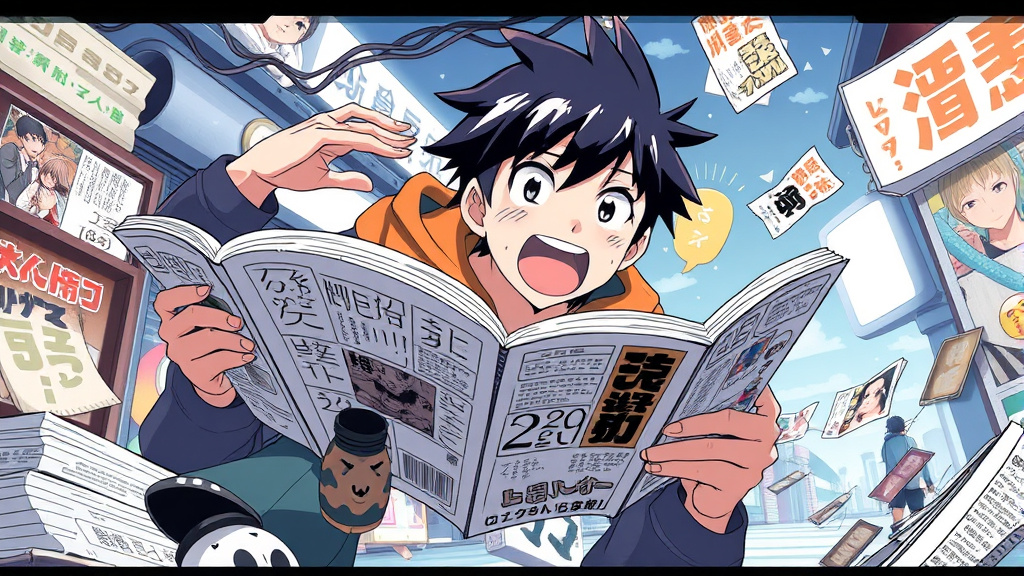 Hình minh họa: manga english language – manga reading books
Beyond Subtitles - Analyzing the Challenges and Rewards of English Manga Translations
Translating manga into english language presents both impressive opportunities and significant hurdles, making it a nuanced craft in the publishing world. One of the primary challenges is preserving the original tone, humor, and emotional impact of the story while adapting idiomatic expressions and cultural references to resonate with English-speaking audiences. Many translators grapple with balancing fidelity to the source material against the need for accessibility, often navigating complex linguistic and cultural differences that can sometimes lead to loss of nuance or meaning. Such challenges highlight the importance of skilled translators who can creatively bridge linguistic gaps without compromising the integrity of the story.
Despite these difficulties, the rewards of effective english manga translation are immense. Well-done adaptations can increase readership significantly, encouraging new fans to explore Japanese culture and storytelling. Translations also serve as educational tools, allowing readers to learn about cultural practices, societal values, and linguistic diversity while enjoying engaging narratives. The process deepens cross-cultural understanding and appreciation, fostering a global community of manga enthusiasts. When translating manga into english language, the ultimate goal remains clear: to deliver a seamless experience that respects the original work while making it engaging and relatable for a broader audience.
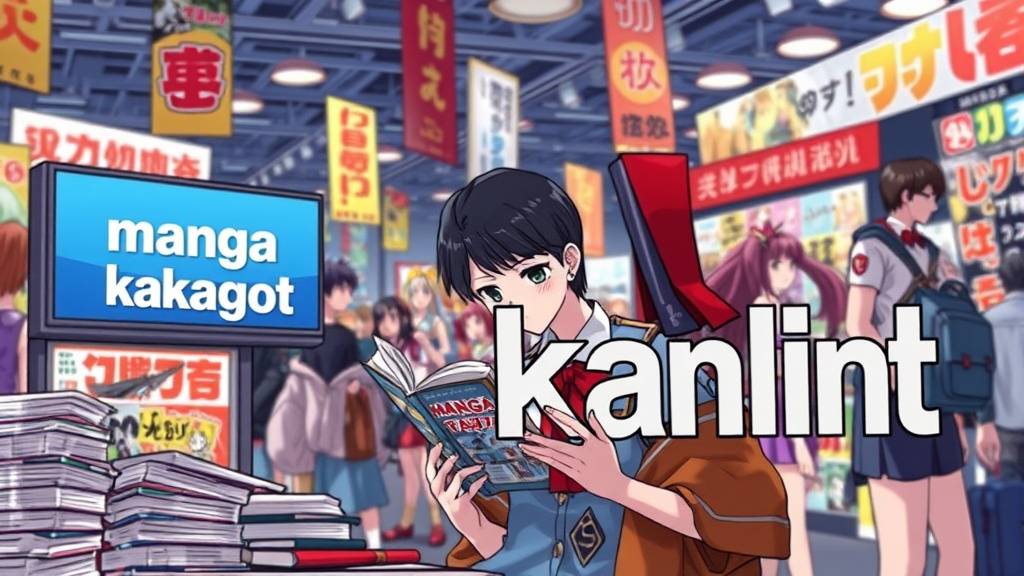
From Japan to the World - The Rise of English Language Manga Publishing
The surge in english language manga publishing is a phenomenon driven by increasing global demand and the rise of digital platforms. Major publishers like Kodansha, VIZ Media, and Yen Press have established dedicated divisions for English manga, securing licensing rights to popular series and ensuring high-quality translations. This expansion is evident not just in print but also through digital comics and online reading platforms, which have dramatically lowered barriers to access. As a result, manga fans worldwide can explore their favorite titles instantly and conveniently, further fueling the medium’s international growth.
This trend of English manga publishing reflects broader shifts in content consumption—favoring on-demand, mobile-friendly formats that cater to a global audience. The rise of English-language manga is also intertwined with the globalization of anime, creating a synergy that boosts the popularity of both mediums. Publishers invest heavily in localization teams, cultural consultancy, and marketing to ensure that manga retains its authenticity while being accessible. Consequently, this movement empowers creators and publishers to reach a wider spectrum of readers, ultimately shaping the trajectory of manga as a global art form rooted in diverse linguistic and cultural backgrounds.
Lost in Translation? - Examining Cultural Nuances in English Manga
Cultural nuances pose one of the most fascinating and complex aspects of translating manga into english language. Japanese cultural references, idiomatic expressions, and societal norms often do not directly translate into Western contexts, leading to potential misinterpretations or loss of meaning. Translators must decide whether to adapt these nuances to fit a Western lens or to preserve the original cultural elements, which might be opaque to uninitiated readers. Findings reveal that often, a careful balance must be maintained—preserving cultural authenticity while making the story relatable and understandable for an English-speaking audience.
Recognizing these nuances enriches the reader’s experience by offering cultural insights and promoting cross-cultural understanding. It challenges translators and publishers to think creatively—sometimes employing footnotes, glossaries, or contextual explanations to bridge cultural gaps. The ongoing evolution of english manga translation practices reflects a growing appreciation for cultural specificity, emphasizing that language is not only a communication tool but also a vessel of cultural identity. As manga travels across linguistic borders, it continually invites dialogue about how culture is represented, preserved, and adapted in translation, enriching global appreciation for Japanese storytelling traditions.
Fan Translations vs. Official Releases - A Comparative Analysis of English Manga Access
Fan translations have historically played an essential role in making manga accessible to a global audience before official releases. Dedicated fans often complete rapid translations, sharing chapters online through scanlations, thereby creating a grassroots distribution network. While these fan efforts foster a passionate community and promote early engagement, they lack formal quality control, which can lead to inaccuracies or inadequate cultural contextualization. Despite their popularity, fan translations raise issues around legality, ethical considerations, and the impact on official publishers’ revenue, pushing the industry toward more official, professionally localized releases.
Official english manga releases, on the other hand, prioritize high-quality translation, consistent formatting, and cultural sensitivity, offering a more polished and reliable experience for readers. They also provide an ethical way to support creators and publishers, ensuring the continued production of new manga content. The debate between fan translations and official releases underscores tension between accessibility and professionalism. As digital platforms democratize access, both forms coexist, each catering to different audiences—fans craving instant access and those seeking expertly localized, legal content. The future of english manga will likely hinge on finding synergy between grassroots enthusiasm and professional standards.
The Impact of English Manga on Western Comic Culture
The influence of english language manga on Western comic culture has been profound, sparking a paradigm shift in storytelling, art styles, and genre diversification. Traditional Western comics often centered on superheroes and were constrained by genre conventions, but manga’s narrative depth, diverse themes, and complex characters have expanded Western comic storytelling to embrace more varied and mature themes. This cross-pollination has led Western comics to incorporate manga-inspired art styles, panel layouts, and storytelling techniques, creating a hybrid culture that celebrates both influences.
Moreover, manga’s themes—such as dystopian futures, psychological explorations, and romance—have resonated deeply within the Western audience, encouraging publishers and creators to explore new creative directions. The success of manga adaptations and inspired works has also reinforced the global appeal of visual storytelling that transcends cultural boundaries. Manga’s presence in Western comic culture demonstrates an ongoing fusion where cultural influences trigger innovation, making comics a more diverse and inclusive medium. This cultural exchange broadens the scope for storytelling possibilities, challenging Western creators to rethink traditional boundaries and embrace international inspirations.
Readership Demographics - Who is Reading Manga in English?
Understanding who reads manga in english language reveals intriguing insights into its global appeal. Initially favored by younger demographics, manga has expanded across age groups, attracting college students, professionals, and even older readers who find value in genre diversity and deeper narrative complexity. Data suggests that manga’s flexible storytelling and vivid artwork appeal to a broad spectrum, transcending cultural and linguistic boundaries, especially as digital platforms facilitate easier access. This inclusivity has transformed manga into a cultural phenomenon with a truly global and multigenerational audience.
The demographics also reflect demographic shifts in global literacy and education, with more diverse cultural backgrounds engaging with manga for entertainment, education, or artistic inspiration. In North America and Europe, manga readers include a mix of Asian-American communities, casual fans, dedicated collectors, and academic enthusiasts who analyze its cultural significance. Social media and digital discourse further democratize manga appreciation, fostering communities where fans share interpretations, fan art, and discussions. This diverse readership underscores manga’s universal language—visual storytelling—and its capacity to adapt and resonate with a wide range of experiences and identities.
The Future of English Language Manga - Digital Trends and Emerging Markets
The future of manga in english language is intricately tied to digital innovation and emerging markets. As technology advances, digital platforms like Webtoon, Crunchyroll, and Kindle present new opportunities for manga distribution—making content more accessible, interactive, and personalized. These trends enable publishers to experiment with multimedia elements, such as animations, sound effects, and reader-driven narratives, which could redefine how manga is experienced—beyond traditional print and scanlation methods. Emerging markets in Africa, Southeast Asia, and Latin America also show increasing interest, driven by mobile device usage and expanding internet connectivity, promising further growth for english manga adaptations.
The digital future involves not only diverse distribution channels but also innovations in translation, AI-assisted localization, and community user engagement. These technological advancements aim to reduce costs, accelerate releases, and enhance quality, making manga even more accessible to global audiences. As new markets emerge and digital literacy increases, manga will evolve as a hybrid of traditional storytelling and interactive media, appealing to wider demographics while respecting cultural nuances. The ongoing development of digital storytelling tools and global connectivity suggests that manga’s influence in english language will continue soaring, shaping the next chapter of its international success.
English Manga's Influence on English Language and Slang
As manga becomes prevalent in english language media, it naturally influences everyday speech and slang. Characters’ catchphrases, idiomatic expressions, and unique vocabulary often seep into colloquial language, especially among younger audiences. From “kawaii” (cute) to “senpai,” manga dialogues introduce fresh slang terms that often transcend their original context, finding their place in social media posts, memes, and casual conversations. This linguistic crossover demonstrates how manga functions as both entertainment and a form of linguistic innovation, enriching the English lexicon while fostering cultural exchange.
These influences on language extend beyond slang into broader cultural references, idioms, and humor styles. For example, expressions from manga often capture emotional states or social norms in a way that standard English idioms may not, providing a new frame of reference for identity and cultural expression. This integration of manga’s language into everyday speech highlights its role as a cultural catalyst, shaping how generations communicate and connect. As the scope of english manga continues to expand, its linguistic footprints will likely become even more embedded within globalized, digital communication—evolving language in tandem with stories told through ink and digital pixels.
Supporting the Creators - Legally Accessing Manga in English
Ensuring that manga creators and publishers are properly supported is essential to sustain the growth of the industry in english language. Legally accessing manga through official platforms guarantees that creators receive fair compensation, encouraging the production of high-quality, original content. Digital services like ComiXology, VIZ, and Crunchyroll offer licensed manga with reliable translations while also providing consumers with a safe and ethical way to enjoy their favorite stories. Supporting these channels not only benefits individual artists and publishers but also maintains the integrity and diversity of manga as an art form.
Legal accessibility also promotes cultural preservation and respect for licensing agreements, which are crucial for fostering international collaborations. As fans and readers, understanding the importance of supporting official releases ensures that authors receive recognition and resources needed to continue creating innovative and culturally rich stories. Moreover, subscribing to official services often grants access to a broader catalog, including bonus content, artwork, and exclusives that deepen the reading experience. Ultimately, supporting the industry ethically sustains the vibrant ecosystem of manga production and helps it flourish in the english language market, securing its future as a powerful medium of storytelling.
Conclusion
The expansion of manga into the english language has transformed the cultural landscape, making Japanese storytelling accessible and celebrated worldwide. From localization challenges to digital innovations, the global community continues to navigate the delicate balance between cultural authenticity and broad appeal, fueling an industry that creates diverse, compelling narratives for every demographic. The influence of english manga extends beyond entertainment, shaping language, fashion, and even global pop culture, while also inviting critical discussions about cultural representation and ethical consumption. As digital trends and emerging markets propel manga into new domains, and as fans and publishers work together to support creators, the future of manga in english language promises continued growth, cross-cultural dialogue, and creative innovation that will keep this vibrant art form alive for generations to come.